

Halloween

The fall brings many of our favorite things: piles of brightly colored leaves, apple cider with donuts, and cooler temperatures that allow us to turn off our air conditioners finally! But for many, the spooky season of Halloween time only highlights the nightmares that interfere with sleep and quality of life. Today we examine the relationship between anxiety and the nighttime disturbances of nightmares and night sweats.

Nightmares and anxiety

If you have frequent nightmares, you have parasomnia — a type of sleep disorder that includes unwanted disturbances while you’re falling asleep, during sleep or when you’re waking up. Nightmares and bad dreams are overlapping and common forms of parasomnia. Nightmares can be thought of as “vivid, disturbing, or frightening dreams that cause a startled awakening (Levin & Nielsen, 2007)”, and bad dreams are “very disturbing dreams which, though being unpleasant, do not cause the dreamer to awaken” (Robert & Zadra, 2008).

An anxiety dream falls under this umbrella as well; it is any dream that causes stress or distress. You might feel panicked or nervous during the dream, but often these feelings continue even when you wake up or worse, linger on during your day.

Although nightmares often inspire feelings of terror more intense than general anxiety, these also count as anxiety dreams, since anxiety during the day can make nightmares more likely. Nightmares can be triggered by many factors outside of anxiety including trauma (such as an accident or other events), irregular sleep cycles/schedule, some medications, substance abuse and/or withdrawal, and other medical conditions such as depression, heart disease or cancer.

However, the primary cause of nightmares is stress or anxiety. Sometimes, the ordinary stresses of daily life, such as a conflict at work or school can trigger a nightmare. A major life change, such as a move or the death of a loved one, can have the same effect. Experiencing anxiety is associated with a greater risk of nightmares.

How does anxiety trigger nightmares?

As you might already know, your brain remains active while you sleep. The brain uses this time to carry out critical functions required to refresh your body and optimize your brain function during your waking hours. Part of this process that happens when you sleep includes encoding experiences and sensations into memory and organizing all that data, much like a filing system.

It follows, then, that if your recent thoughts and feelings cause stress and fear, your dreams will likely follow a similar pattern. Not everyone living with anxiety will have bad dreams, but research does suggest anxiety can play a significant part in nighttime distress.

In a 2014 study, those who met criteria for generalized anxiety disorder had more bad dreams than participants who didn’t have anxiety. Bad dream frequency was significantly associated with depression, anxiety, worry, and poor quality of life. The study also showed that bad dreams led to greater daytime feelings of anxiety and depression and lower quality of life. In short, anxiety, and nightmares can feed into each other, creating an unpleasant cycle.

Night sweats and anxiety

Night sweats are something you probably recognize if you are experiencing them, but clinically it is defined as being flushed, very hot, and sweating for no apparent reason. This can happen when trying to rest, go to sleep, or when waking up, even though the room temperature is normal or cool. There may be a medical reason for your night sweats your body fighting off a virus or bacteria. What’s more, night sweats can be caused by perimenopause, menopause, the aftereffects of menopause, or by other hormonal problems. Night sweats can come and go infrequently, occur on a regular basis, or go on every night for what seems to be indefinitely.

Anxiety night sweats may precede, accompany, or follow an escalation of other anxiety sensations and symptoms (things like nervousness, anxiety, fear, and elevated stress) or occur with no obvious trigger. It can also come in waves, where it’s strong one moment and eases off the next.

Why does anxiety cause night sweats?

In short, an over-active mind causes the physical symptoms associated with night sweats. Your stress response in your head causes a physical response in your body including changing your body’s metabolism, respiration, and perspiration. This response is why the heart beats harder and faster, breathing becomes shorter and shallower, and we sweat.

Experiencing night sweats is a common consequence of a stressed or anxious mind, and an indication of how the body can mismanage itself based on our mental state. When the nervous system is healthy, it manages these systems and functions normally and invisibly for the most part. But when the nervous system becomes hyper-stimulated on a regular basis, the body is more apt to move from “thinking to feeling” in a shorter time span – a type of muscle memory if you will. Nightmares and the stress responses they trigger can also be a cause, or part of the circle of night sweats.

What to do if you are experiencing nightmares or night sweats on a regular basis

It’s always wise to seek support if your symptoms begin affecting your work, relationships, or overall quality of life. The best way to combat the negative effects of anxiety is to prevent them in the first place! Dr. Sambunaris suggests changing your sleep habits first:

  • Create an atmosphere that is conducive to great sleep. Build in time to wind down that includes taking a warm shower, banning screen time and devices, and/or reading a book. Keep the lights low, the temperature cool, and sounds to a minimum.
  • Once you’re in bed, let your mind wander to positive thoughts like going to your own “happy place,” positive things about your day, or expressing gratitude for the people in your life.
  • Make time for exercise during the day – studies have shown that even just 30 minutes of moderate aerobic activity during your day may help you sleep better.
  • Avoid caffeine and other stimulants during the day (or at least after lunch) to give your brain the best chance of relaxing at night.

If you have tried all of these suggestions, and you still find that your sleep disturbances are affecting your quality of life, it’s time to talk to a physician like Dr. Sambunaris who specializes in anxiety disorders. Recurrent or long-lasting stress and anxiety could be a sign of a more serious mental health issue that will not go away on its own. Make an appointment to get a clear diagnosis of what is keeping you up at night by calling 770-817-9200.

Sources: https://mayocl.in/3SUZcvI https://bit.ly/3ejLLGH https://bit.ly/3RStBtc

Author Angelo Sambunaris, M.D.
Recent Posts

Alcoholism: Understanding the Disease and Finding a Path to Recovery

Dr. Sambunaris & Associates – Alpharetta, GA

Alcoholism is a serious, chronic disease that affects millions of individuals and families across the United States. It impacts physical health, mental well-being, relationships, and careers—but with professional help and evidence-based treatment, recovery is absolutely possible.

At Dr. Sambunaris & Associates, we specialize in the comprehensive care of patients struggling with alcoholism and co-occurring disorders such as anxiety and depression. Our approach is rooted in science, compassion, and long-term results.

What Is Alcoholism?

Alcoholism, also known as Alcohol Use Disorder (AUD), is a medical condition characterized by an inability to control or stop drinking despite the negative consequences it causes. It is more than just drinking too much—it’s a disease that changes the brain and behavior over time.

People with alcoholism often experience:

  • Cravings for alcohol
  • Loss of control over how much or how often they drink
  • Physical dependence or withdrawal symptoms
  • Tolerance (needing more alcohol to feel the same effect)

It’s important to remember that alcoholism is not a moral failure. It is a diagnosable and treatable medical condition.

Warning Signs of Alcoholism

Alcoholism can present differently depending on the person, but common signs include:

  • Drinking alone or in secret
  • Prioritizing alcohol over responsibilities
  • Memory blackouts or gaps from drinking
  • Neglecting personal appearance or health
  • Mood swings, irritability, or anxiety when not drinking
  • Withdrawal symptoms (sweating, tremors, nausea) when trying to quit

If you or someone you love is experiencing these symptoms, it may be time to seek help.

Our Approach to Alcoholism Treatment

At Dr. Sambunaris & Associates, our treatment programs for alcoholism are designed to address both the physical and psychological aspects of addiction. We combine the latest medical research with compassionate care to develop individualized treatment plans.

Our services may include:

  • Comprehensive Psychiatric Evaluation
  • Medication-Assisted Treatment (MAT) to reduce cravings and withdrawal symptoms
  • Behavioral Therapies, including Cognitive Behavioral Therapy (CBT)
  • Dual Diagnosis Care for patients with co-occurring anxiety, depression, or PTSD
  • Ongoing Support and Relapse Prevention Planning

Our mission is to empower patients to reclaim control over their lives and move toward lasting recovery.

Q&A: Alcoholism and Treatment Options

Q: How do I know if I or a loved one has a drinking problem?
A: If alcohol use is interfering with daily responsibilities, causing relationship issues, or leading to physical or emotional distress, it’s time to seek a professional evaluation. We can help you determine if it’s alcoholism and what steps to take next.

Q: Is alcoholism a disease or a choice?
A: Alcoholism is classified as a brain disease. While the initial choice to drink may be voluntary, over time alcohol can hijack the brain’s reward and control centers, making it incredibly difficult to stop without help.

Q: What role does mental health play in alcoholism?
A: A significant number of people with alcoholism also struggle with mental health conditions like anxiety, depression, or trauma. Treating both the addiction and underlying mental health conditions simultaneously is crucial for successful recovery.

Q: Can medications help me stop drinking?
A: Yes. FDA-approved medications such as naltrexone, acamprosate, or disulfiram can help reduce cravings and prevent relapse when used in combination with therapy.

Q: Is treatment confidential?
A: Absolutely. At Dr. Sambunaris & Associates, your privacy is a top priority. All consultations and treatment plans are strictly confidential.

Q: Do you offer support for families of alcoholics?
A: Yes. We understand that addiction affects the entire family. We offer family education and therapy options to support healing for everyone involved.

Start Your Journey to Recovery

If you or a loved one is struggling with alcohol use, you are not alone—and help is available. At Dr. Sambunaris & Associates, we’re committed to helping individuals understand their condition, regain control, and build a life free from addiction.

📞 Contact Dr. Sambunaris & Associates today for a confidential consultation.
Phone: (770) 817-9200
Address: 5755 North Point Parkway, Suite 256, Alpharetta, GA 30022
🌐 Website: https://drsambunaris.com

Recovery is not only possible—it starts with a single step. Let us help you take it.

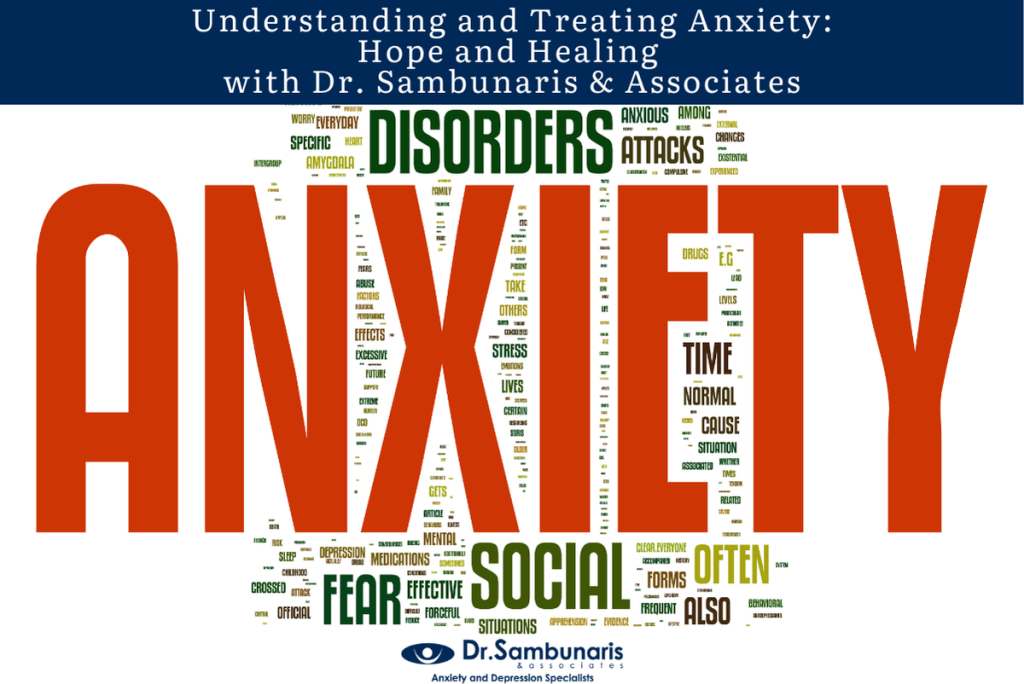
Understanding and Treating Anxiety: Hope and Healing with Dr. Sambunaris & Associates

Anxiety is more than just feeling nervous before a big event—it’s a serious and often overwhelming mental health condition that affects millions of people across the country. Left untreated, anxiety can interfere with relationships, career success, physical health, and overall quality of life. Fortunately, with the right care, anxiety is highly treatable.

At Dr. Sambunaris & Associates, we specialize in evidence-based, integrative treatment for anxiety and related conditions. Our approach goes beyond symptom management to address the root causes of anxiety and help individuals regain control of their lives.

What Is Anxiety?

Anxiety is a normal human response to stress or danger, but for some people, it becomes chronic and excessive. When anxiety becomes persistent and interferes with daily life, it may be diagnosed as an anxiety disorder.

There are several types of anxiety disorders, including:

  • Generalized Anxiety Disorder (GAD) – persistent and excessive worry about everyday matters
  • Panic Disorder – recurring panic attacks and fear of future attacks
  • Social Anxiety Disorder – intense fear of being judged or embarrassed in social situations
  • Phobias – irrational fears of specific objects, activities, or situations
  • Obsessive-Compulsive Disorder (OCD) and Post-Traumatic Stress Disorder (PTSD) – often co-occurring with anxiety

How We Treat Anxiety at Dr. Sambunaris & Associates

We believe that every individual deserves personalized and compassionate care. Our team utilizes a combination of clinical psychiatry, advanced diagnostics, and the latest treatments in neuroscience to create tailored care plans. Treatments may include:

  • Comprehensive Diagnostic Assessments
    We begin with an in-depth evaluation to understand your unique symptoms, history, and any contributing biological or neurological factors.
  • Medication Management
    If necessary, we carefully prescribe and monitor medications that help regulate brain chemistry and reduce anxiety symptoms.
  • Cognitive Behavioral Therapy (CBT) and Other Psychotherapies
    These evidence-based therapies are designed to help individuals identify and challenge negative thinking patterns and develop healthier coping mechanisms.
  • Clinical Research Opportunities
    As a leading research center, we offer access to cutting-edge treatments and clinical trials that are not available in most standard practices.
  • Integrated Wellness Support
    We support the whole person—addressing sleep, nutrition, stress, and lifestyle habits that may impact anxiety levels.

Why Choose Dr. Sambunaris & Associates?

Dr. Sambunaris is nationally recognized for his expertise in neuropsychiatric disorders and has served as a principal investigator in over 300 clinical trials. Our Alpharetta-based team combines world-class experience with a warm, patient-centered approach that respects your privacy and individuality.

We don’t just treat symptoms—we aim to restore peace of mind and quality of life.

Frequently Asked Questions (FAQ) About Anxiety

Q: How do I know if I have anxiety or if I’m just stressed?

A: While occasional stress is normal, anxiety involves persistent feelings of worry, fear, or dread that don’t go away and may worsen over time. If you feel constantly on edge, struggle with sleep, experience physical symptoms (like heart palpitations or stomach issues), or avoid certain situations out of fear, you may be dealing with an anxiety disorder.

Q: Is anxiety treatable without medication?

A: Yes, many people find relief through therapy, lifestyle changes, and non-pharmaceutical treatments. However, for some, medications can be a helpful and necessary part of recovery. At Dr. Sambunaris & Associates, we work with you to find the right balance based on your specific needs and preferences.

Q: What makes your practice different from other providers?

A: We offer a unique combination of personalized psychiatric care and access to cutting-edge clinical research. Our deep understanding of brain science allows us to explore treatments beyond the typical “trial-and-error” approach. We prioritize your comfort, confidentiality, and long-term results.

Q: What should I expect during my first appointment?

A: Your first visit involves a comprehensive consultation where we review your medical and mental health history, current symptoms, and personal goals. From there, we’ll create a customized plan that may include therapy, medication, or participation in a clinical research study.

Q: Is everything confidential?

A: Absolutely. We understand the sensitive nature of mental health care and uphold the highest standards of privacy and confidentiality. Your trust is our top priority.

Take the First Step Toward Healing

If you or a loved one is struggling with anxiety, know that help is available—and hope is real. At Dr. Sambunaris & Associates, we’re committed to walking beside you on your journey to wellness.

Contact Dr. Sambunaris & Associates today for a confidential consultation.
📞 Phone: (770) 817-9200
📍 Address: 5755 North Point Parkway, Suite 256, Alpharetta, GA 30022
🌐 Website: https://drsambunaris.com/

Rediscover calm. Reclaim your life. Let’s take the next step—together.

Breakthrough Relief: Ketamine Treatment for Depression at Dr. Sambunaris & Associates

Depression is one of the most common and disabling mental health conditions, affecting millions of people worldwide. For those who struggle with treatment-resistant depression (TRD), traditional medications and therapy may not offer the relief they need. At Dr. Sambunaris & Associates in Alpharetta, GA, we are proud to offer a cutting-edge solution: ketamine treatment for depression.

Ketamine, once known primarily as an anesthetic, is emerging as a powerful new tool in the fight against chronic depression. Administered in a clinical setting and under the care of highly trained professionals, ketamine therapy has helped patients regain hope when other options have failed.

What is Ketamine Treatment?

Ketamine is an FDA-approved anesthetic that has been used safely for decades. In recent years, researchers have discovered that ketamine—administered at low, controlled doses—can rapidly improve symptoms of depression, often within hours or days. This makes it especially valuable for individuals with treatment-resistant depression, suicidal ideation, or severe mood disorders.

At Dr. Sambunaris & Associates, ketamine therapy is administered via IV infusion in a calming, clinical environment. Each session is tailored to your individual needs and overseen by our expert clinical team, with close monitoring to ensure your safety and comfort.

How Does Ketamine Work for Depression?

Unlike traditional antidepressants, which can take weeks to take effect and primarily target serotonin or dopamine pathways, ketamine acts on a different brain chemical called glutamate. This action helps rewire and strengthen neural connections in areas of the brain responsible for mood and emotion—offering rapid relief and a renewed sense of clarity and emotional balance.

Q&A: Understanding Ketamine Treatment for Depression

Q: Who is a candidate for ketamine treatment?
A: Ketamine therapy is most often recommended for patients with treatment-resistant depression, meaning they have tried at least two different antidepressants without significant relief. It may also benefit those with bipolar depressionPTSD, and acute suicidal thoughts.

Q: Is ketamine safe?
A: Yes. When administered by trained professionals in a medical setting like Dr. Sambunaris & Associates, ketamine is safe and well-tolerated. Side effects are typically mild and may include dizziness, nausea, or dissociation during the infusion, which usually resolve shortly after the session.

Q: How quickly will I feel better?
A: Many patients report feeling better within 24–72 hours after their first infusion. Improvements often include reduced suicidal thoughts, increased motivation, and an overall uplift in mood.

Q: How many treatments are needed?
A: A standard course of treatment typically involves 6 infusions over 2–3 weeks, followed by maintenance infusions as needed. Our team will develop a customized treatment plan based on your individual progress and response.

Q: Will ketamine replace my current medication or therapy?
A: Ketamine is often used in conjunction with other forms of treatment. It may allow some patients to reduce their reliance on antidepressants over time, but we encourage a comprehensive care plan that includes therapy and psychiatric support.

Q: What should I expect during the treatment session?
A: Each ketamine infusion lasts about 40–60 minutes. You’ll be seated comfortably in a quiet room, and our staff will monitor your vital signs throughout the session. Most patients describe a dream-like or meditative experience during the infusion.

Hope Starts Here

Depression doesn’t define you—and it doesn’t have to control your life. If you or someone you love is struggling with depression that hasn’t responded to traditional treatments, ketamine therapy may offer a new path forward. At Dr. Sambunaris & Associates, we’re committed to providing compassionate, evidence-based care that empowers you to heal and thrive.

Contact Dr. Sambunaris & Associates today for a confidential consultation.

📞 Phone: (770) 817-9200
📍 Address: 5755 North Point Parkway, Suite 256, Alpharetta, GA 30022
🌐 Website: https://drsambunaris.com