


How To Deal With Depression: Understanding What You’re Feeling And Where To Start
Depression is more than just feeling sad or having a bad day. It is a real medical condition that can affect how you think, feel, and function in daily life. If you are searching for how to deal with depression, it often means something does not feel right, and you are looking for answers. That is a meaningful first step. You are not alone, and there are ways to feel better.
Depression Affects More People Than You May Think
Depression is common, but it does not always look the way people expect. Some individuals feel deep sadness, while others notice low energy, poor sleep, lack of motivation, or constant fatigue. Many people continue to go to work or care for their families while silently struggling.

Here are a few important facts:
- 7% to 12% of Men experience depression at some point in life
- 20% to 25 % of Women experience depression
- Rates are higher for those with a family history of depression, anxiety, or substance use
Because symptoms can be subtle, many people do not realize they are dealing with depression until it becomes more severe.
Why Depression Is Often Missed
Many people visit their primary care doctor for physical concerns like fatigue, poor sleep, or low energy. These symptoms are real, but they can also be signs of depression.
 It is common for depression to go undiagnosed in the early stages. Over time, it can begin to affect more areas of life, including:
- Work Performance and Focus
- Relationships With Family and Friends
- Personal Care and Daily Routines
- Overall Physical Health
If you have been feeling “off” for a while, it may be worth looking more deeply into what is going on.
The Impact At Home And In Everyday Life
Depression does not just affect your mood. It can influence how you show up in your own life. Simple tasks can feel overwhelming. Social interactions may feel draining. Relationships can become strained, even with people you care about deeply.
Families often feel the effects too. While it can be hard to measure the full impact, many people experience a sense of isolation, frustration, or disconnection when depression is present in the home.
Why Treatment Matters
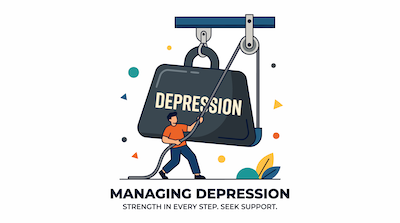 Getting help for depression is not just about feeling better emotionally. Treatment can improve many parts of your life.
People who receive treatment often experience:
- Better Energy and Focus
- Improved Relationships
- Fewer Missed Days at Work or School
- Lower Overall Healthcare Needs
Recovery can create a ripple effect, helping you reconnect with your life in a more meaningful way.
Understanding Treatment Options
There is no one-size-fits-all solution for depression. Different approaches work for different people, and sometimes a combination works best.
Medication:
 Modern antidepressants are considered safe and effective. However, results can vary:
-
- 45% To 55% of People See Noticeable Improvement
- 30% To 35% Experience Full Relief of Symptoms
This means that while medication can help many people, it does not work perfectly for everyone.
Therapy:
Talk therapy can be very helpful, especially for understanding patterns, processing emotions, and building coping skills. For some people, therapy alone is enough. For others, it works better when combined with medication.
Combined approach:
Using both medication and therapy together often leads to better outcomes than using either one alone.
A Closer Look At How The Brain Is Involved
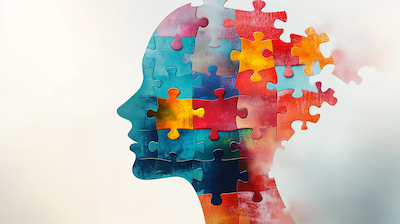 You may have heard that depression is linked to brain chemistry. Another important concept is how the brain can repair and adapt over time.
There is growing research around how certain treatments may help the brain form new connections, particularly in areas related to mood. This process may help improve symptoms, especially for people who have not responded well to traditional treatments.
Some newer medications are designed with this idea in mind, and ongoing research continues to explore additional options.
If Past Treatments Have Not Worked
 It can be discouraging if you have tried medication or therapy and did not get the results you hoped for. That does not mean you are out of options.
Every person’s experience with depression is different. Sometimes it takes time to find the right combination of treatments. Newer approaches and personalized care plans are helping more people find relief, even after previous challenges.
How To Deal With Depression: Taking The Next Step Toward Feeling Better

Learning how to deal with depression is not about finding a quick fix. It is about understanding what you are experiencing and finding the right support for you. With the right approach, many people begin to feel more like themselves again.
Are you struggling with depression? Reaching out for help can be the most important step. Effective treatments are available, and you do not have to go through this alone.