

Is Insomnia a Symptom of Anxiety?
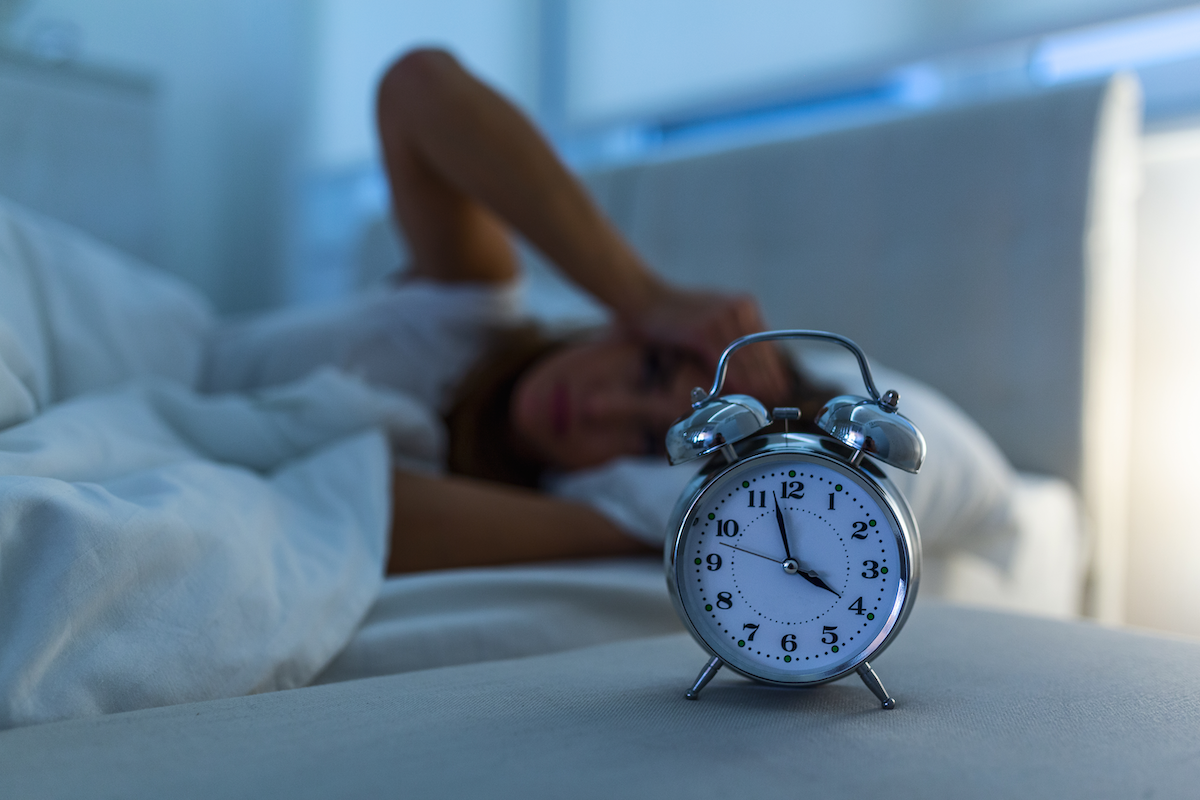
For many people, bedtime is meant to be a moment of relief. A chance to finally slow down after a long day. But when you are living with anxiety, the opposite can happen. The lights go out, everything gets quiet, and suddenly your mind feels louder than ever. Thoughts start racing. Your body feels tight and restless. You want to sleep, you need to sleep, but it just will not come. So, the question you may be asking at 2 am – “Is insomnia a symptom of anxiety?”
As the hours pass, frustration builds. You may watch the clock, worry about how tomorrow will feel, and wonder why your body will not let you rest. By morning, you are exhausted, and that exhaustion only makes the anxiety feel heavier. It becomes a cycle that can feel hard to break, where anxiety keeps you awake at night, and the lack of sleep makes each day more overwhelming. Insomnia linked to anxiety is more common than many realize.
About 1 in 3 adults in the United States do not get enough sleep on a regular basis, which can contribute to both physical and mental health challenges.
Centers for Disease Control and Prevention (CDC)
Seasonal changes can also play a role. When clocks “spring forward,” even losing one hour of sleep can disrupt your body’s internal rhythm. For individuals already dealing with anxiety, this shift can intensify symptoms, making it harder to fall asleep and stay asleep.
Common Symptoms of Insomnia Linked to Anxiety
Understanding what you are experiencing can be the first step toward relief. Here are some of the most common symptoms:
-
-
 Racing Thoughts at Night
-
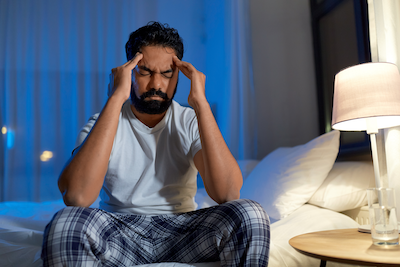
Many individuals find that their minds become most active when they try to sleep. Worries about work, family, health, or the future can feel amplified in the quiet of the night.
-
- Difficulty Falling or Staying Asleep
You may lie awake for long periods or wake up frequently throughout the night. Even when sleep comes, it may feel light and easily interrupted.
-
- Physical Tension and Restlessness
Anxiety does not just affect the mind. It can cause a racing heart, muscle tension, or a general feeling of restlessness that makes it hard to relax.
-
- Daytime Fatigue and Irritability
Lack of sleep often leads to low energy, mood changes, and difficulty concentrating. This can affect work performance, relationships, and overall quality of life.
-
-
 Increased Sensitivity to Stress
-
Sleep deprivation lowers your ability to cope with everyday stress. Small challenges may feel overwhelming, reinforcing the cycle of anxiety and insomnia.
-
- Fear of Not Sleeping
Over time, many people begin to worry about sleep itself. This “sleep anxiety” can make bedtime feel stressful rather than restful.
How Anxiety-Related Insomnia Affects Everyday Life
“Research shows that individuals with insomnia may have up to a 45% higher risk of developing cardiovascular disease, including heart disease.”
Insomnia is more than just feeling tired. It can begin to touch every part of your life in ways that are hard to explain to others. You may find yourself more irritable, more withdrawn, or simply not feeling like yourself. Simple decisions feel harder. Conversations take more effort. Even things you used to enjoy can start to feel overwhelming when your mind and body are running on empty.
 It can also affect the people around you. Loved ones may notice the change in your energy or mood, even if they do not fully understand what you are going through. Daily routines can feel disrupted, and that sense of disconnection can be difficult for everyone involved. It is important to remember that this is not a personal failure. You are not doing anything wrong. Insomnia linked to anxiety is real, and with the right support, it can be treated.
5 Ways to Support Better Sleep
While there is no one-size-fits-all solution, small changes can make a meaningful difference over time.
-
- Create a Consistent Sleep Routine
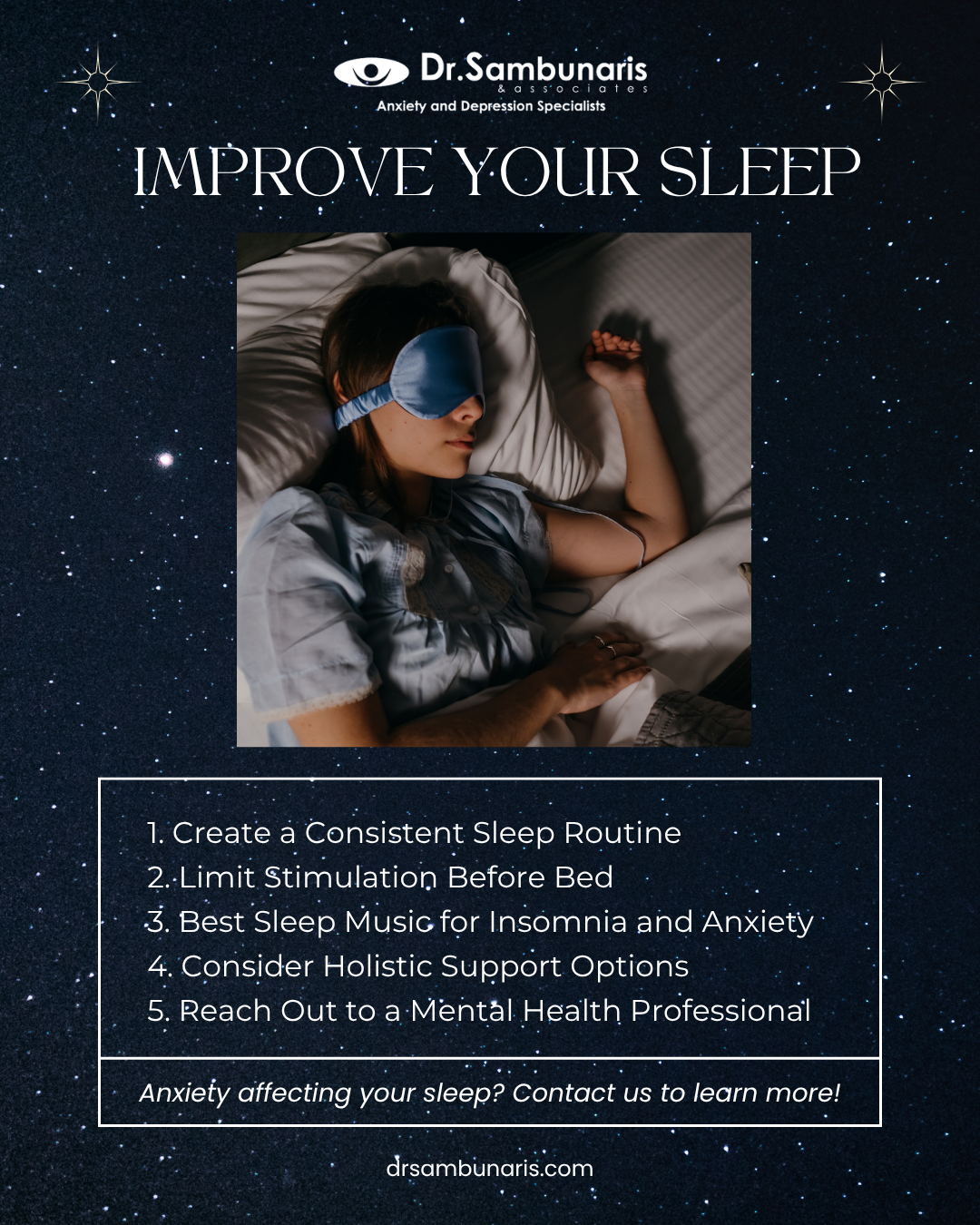
Going to bed and waking up at the same time each day helps regulate your body’s internal clock, even on weekends.
-
- Limit Stimulation Before Bed
Reduce screen time, caffeine, and intense conversations in the evening. Creating a calm environment signals to your body that it is time to rest.
-
- Best Sleep Music for Insomnia and Anxiety
Soft, calming sounds can help quiet the mind. Instrumental music, nature sounds, or guided sleep audio can ease the transition into sleep and reduce nighttime anxiety.
-
- Consider Holistic Support Options
Some individuals explore options like magnesium or herbal remedies as a sleep anxiety supplement. In recent years, ketamine has also emerged as a medically supervised option for certain individuals with anxiety-related conditions. It is important to discuss any treatment with a qualified provider to determine what is safe and appropriate for you.
-
- Reach Out to a Mental Health Professional
If insomnia persists, professional support can be life-changing. Addressing the underlying anxiety is often key to restoring healthy sleep patterns.
A Compassionate Approach To Care To The Question You’re Asking, “Is Insomnia a Symptom of Anxiety?”
At Dr. Sambunaris & Associates, we understand that reaching out for help is not always easy, especially when you are already feeling overwhelmed and exhausted. That is why our care begins with listening. From the moment you walk through our doors, our goal is for you to feel a sense of relief, that you are in a place where you do not have to carry everything on your own. Dr. Sambunaris takes the time to truly get to know you, not just the symptoms you are experiencing, but your story, your daily life, and what you have been going through.
 We believe that no two people experience anxiety or insomnia in the same way, and your care should reflect that. What sets our practice apart is the difference you feel from the very beginning. You are welcomed into a supportive, understanding environment where your concerns are heard without judgment. We look at you as a whole person, both medically and psychologically, to better understand what may be contributing to your symptoms and how to support meaningful, lasting improvement.
In addition to traditional mental health therapies and treatments, we also offer advanced options such as ketamine therapy for individuals experiencing anxiety and insomnia. Our approach is thoughtful, compassionate, and personalized, with a focus on building trust and creating a space where you feel seen and understood. You are not just a diagnosis here. You are a person, and we are committed to helping you find a path toward greater balance, rest, and overall well-being.
Whether someone is experiencing insomnia, anxiety, or a combination of challenges, the focus remains on thoughtful care and long-term well-being.
Take the First Step Toward Better Sleep

If you are struggling with insomnia related to anxiety, you are not alone, and you do not have to manage it on your own. Support is available, and meaningful improvement is possible.