
Dr. Sambunaris & Associates, Your Alpharetta Psychiatrist: Recognizing the Hidden Cost of Service
Memorial Day is a time for remembrance. We gather with family, raise flags, and pause to honor the men and women who gave their lives in service to our country. But for many veterans, first responders, and the families who love them, the last Monday in May carries a different kind of weight. Behind the ceremonies and cookouts are people quietly carrying invisible wounds, the kind that don’t show up in photographs or fade with time. As a trusted Alpharetta psychiatrist, Dr. Sambunaris & Associates believe that understanding these wounds is the first step toward healing them.
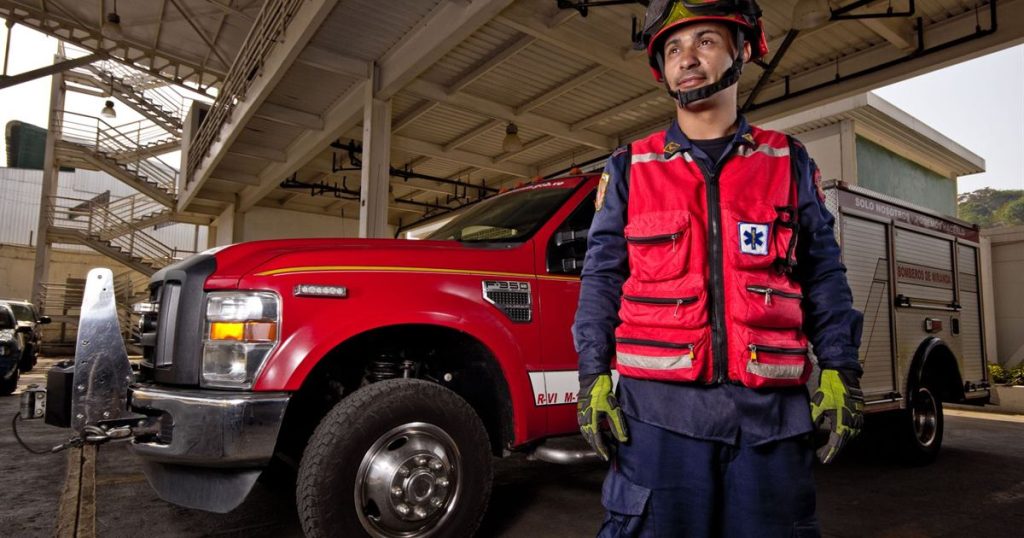
Post-traumatic stress disorder, or PTSD, doesn’t discriminate. It affects combat veterans who have seen the worst of war, police officers who respond to tragedy on their darkest shifts, firefighters who run toward danger, and EMTs who hold strangers’ hands in their final moments. It also affects the spouses, children, and parents who stand beside them.
This Memorial Day, we want to take a moment to look beyond the surface and explore what PTSD really looks like, why this season can be so painful, and how we can offer the kind of support that truly matters.
- PTSD in Combat Veterans Looks Different Than Most People Think
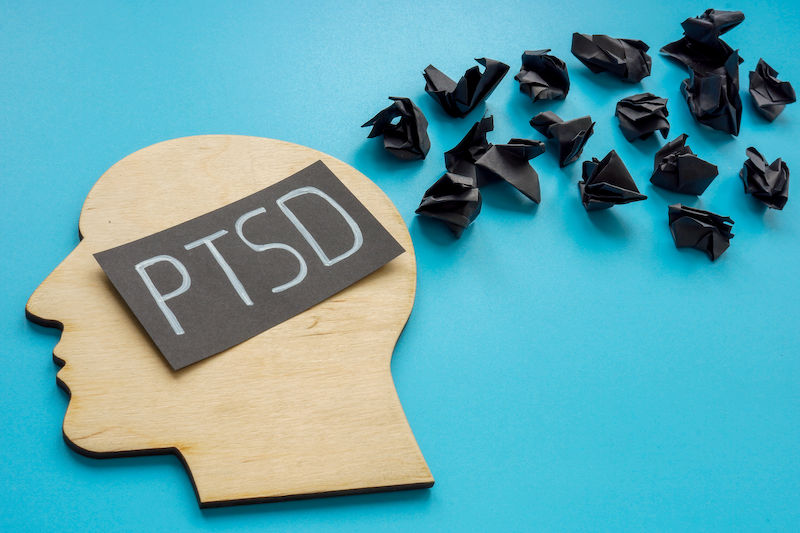
Hollywood often portrays PTSD as dramatic flashbacks and explosive reactions. While those experiences are real for some, the truth is usually quieter. Many veterans live with constant hypervigilance, scanning rooms, sitting with their backs to walls, sleeping lightly. Others struggle with emotional numbness, finding it hard to connect with the people they love most.
Nightmares, irritability, guilt over what they did or didn’t do, and a deep sense of isolation are all common. These symptoms can surface years, even decades, after service ends.
- First Responders Carry Their Own Kind of Trauma
Police officers, firefighters, paramedics, and dispatchers face traumatic events as part of their regular workday. Unlike combat, which has a defined deployment, first responders return to the same scenes again and again. Over time, this repeated exposure can lead to what some clinicians call complex or cumulative PTSD.
Signs may include difficulty sleeping, increased use of alcohol, withdrawal from family activities, sudden anger, or a growing sense that “no one understands.” Many first responders feel they have to stay strong for their teams and their communities, which can make asking for help feel impossible.
- Families Feel It Too
PTSD doesn’t stay contained within one person. Spouses often describe walking on eggshells, never sure what will trigger a difficult day. Children may sense tension without understanding it, sometimes blaming themselves for it. Parents of service members and first responders carry their own worry and grief.
This experience, sometimes called secondary traumatic stress, is real and deserves attention. Families heal best when they heal together, with space for everyone’s feelings to be heard.
- Memorial Day Can Be Especially Hard
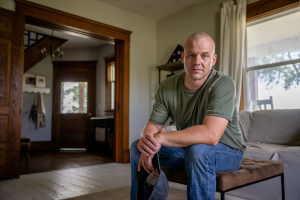
For someone with PTSD, Memorial Day can stir up complicated emotions. Survivor’s guilt may rise to the surface as veterans remember friends who didn’t come home. Fireworks, crowded events, and even patriotic music can become triggers. First responders may think of partners lost in the line of duty.
Families may feel torn between celebrating and grieving. Recognizing that this weekend is layered, not just festive, is an act of compassion in itself.
- Meaningful Support Goes Beyond Parades and Barbecues
Honoring those who served means more than thanking them for their service. It means showing up in quiet, consistent ways. Ask how someone is really doing and be willing to listen without trying to fix. Respect their limits if crowds or loud events are too much for them.
Check in the week after Memorial Day, when the public attention fades, but the feelings remain. Learn about local support resources for veterans and first responders. Most importantly, remind the people in your life that they don’t have to carry this alone.
- Reaching Out for Help Is a Sign of Strength
There is still a quiet stigma around mental health, especially in communities built on service and toughness. But seeking help from a psychiatric professional is not a weakness. It is one of the bravest, most practical steps a person can take. Modern, evidence-based treatments for PTSD, anxiety, and depression are more effective than ever.
With the right support, people do get better. They sleep again. They laugh again. They reconnect with the people they love. No one should have to white-knuckle their way through life because they think reaching out makes them less of a soldier, officer, or parent. It doesn’t. It makes them human.

You Don’t Have to Walk This Road Alone: Talk to an Alpharetta Psychiatrist Who Understands, Dr. Sambunaris & Associates
As we honor those who have served this Memorial Day, Dr. Sambunaris & Associates extends a heartfelt thank you to the veterans of our community. As an Army veteran myself, I bring both personal understanding and professional expertise to my work with fellow service members.
I am proud to support the veteran community of North Fulton and Alpharetta, GA, offering compassionate, informed care to those navigating the lasting effects of service, including PTSD. If you or a loved one is a veteran seeking support, my team is here to help. Angelo Sambunaris, MD
This Memorial Day let us remember those who gave everything, as well as those who came home carrying wounds we cannot see. If you or someone you love is struggling with PTSD, anxiety, or depression connected to military service, first response work, or the ripple effects on family life, please know that compassionate help is available.
As an experienced Alpharetta psychiatrist practice, Dr. Sambunaris & Associates is here to listen without judgment or pressure. You can reach out to our team whenever you are ready.